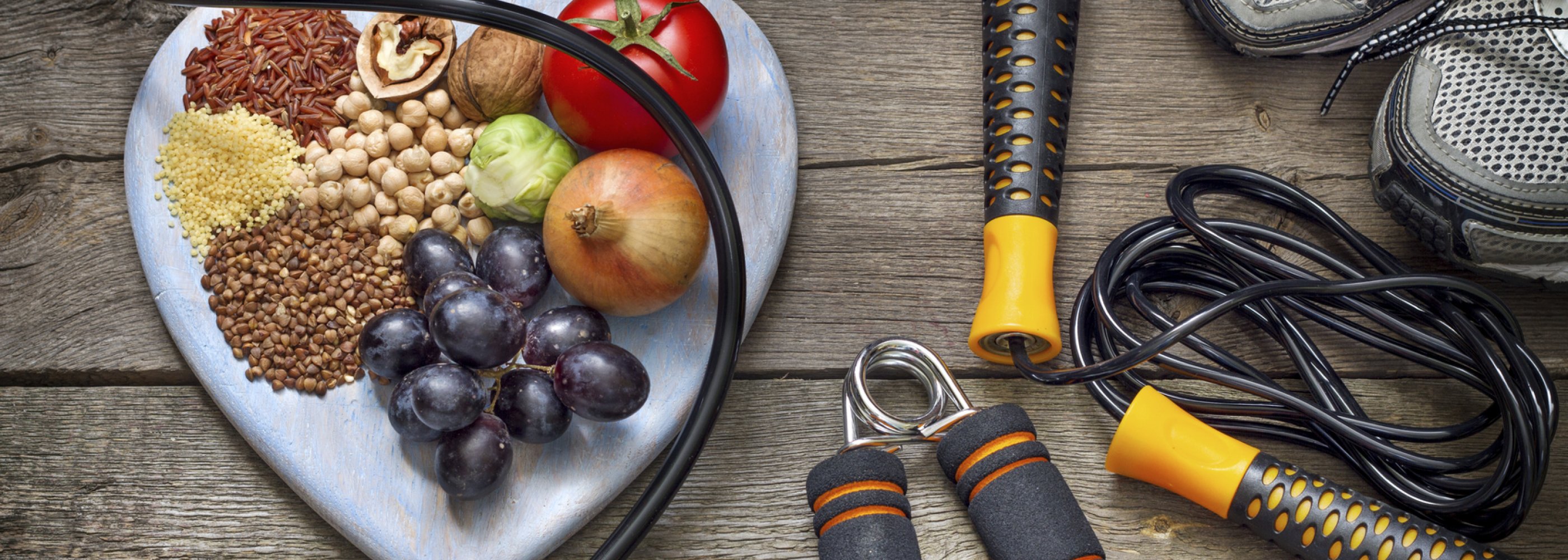
Top 10 Foods to Fuel Your Workouts: Eat Like a Champion
When it comes to maximizing your workout performance, the right nutrition is essential. Here are the Top 10 Foods to Fuel Your Workouts, carefully selected to help you eat like a champion:
- Bananas: Packed with carbohydrates and potassium, bananas provide a quick source of energy for your workouts. Learn more about the benefits of bananas.
- Oats: Rich in complex carbohydrates and fiber, oats provide sustained energy for longer workouts. Discover why oats are a great choice.
- Quinoa: This protein-packed grain offers all nine essential amino acids, making it perfect for muscle recovery. Find out more about quinoa.
- Greek Yogurt: High in protein and probiotics, Greek yogurt is excellent for muscle repair and gut health. Check its benefits here.
- Chicken Breast: A lean source of protein, chicken breast is vital for building and repairing muscle. Read about chicken nutrition.
- Sweet Potatoes: Rich in vitamins and minerals, sweet potatoes provide complex carbs for energy and are loaded with antioxidants. See why they are beneficial.
- Almonds: These nuts are full of healthy fats and protein, making them a great pre-workout snack. Learn about the health benefits of almonds.
- Salmon: Packed with omega-3 fatty acids and protein, salmon supports heart health and muscle recovery. Discover more here.
- Berries: High in antioxidants and fiber, berries help reduce inflammation and improve recovery. Find out why berries are powerful.
- Spinach: Rich in iron and vitamins, spinach helps combat fatigue and supports overall health. Read about spinach benefits.
Incorporating these Top 10 Foods to Fuel Your Workouts into your meals can significantly enhance your performance and recovery. Aim to include a mix of these nutrient-dense options in your diet, ensuring you maintain the energy levels necessary for high-intensity training. Remember, as a champion, every meal is an opportunity to fuel your body for success.
How Nutrient Timing Can Maximize Your Gains
Nutrient timing refers to the strategic consumption of nutrients—carbohydrates, proteins, and fats—around your workout schedule to optimize performance and recovery. By aligning your meal intake with your exercise routine, you can enhance recovery rates, muscle growth, and overall athletic performance. For instance, consuming carbohydrates before a workout can provide the necessary energy to sustain high performance, while post-workout protein consumption is crucial for muscle repair and growth. Timing your nutrient intake correctly can make the difference between plateauing and achieving new personal records.
Moreover, utilizing nutrient timing not only aids in physical gains but also assists in regulating metabolic processes. Eating a combination of protein and carbohydrates immediately after exercising can boost the recovery process significantly. The consensus among nutritionists is that the post-workout window (typically within 30 to 60 minutes) is vital for muscle glycogen resynthesis and protein synthesis. Therefore, understanding and applying nutrient timing can help individuals maximize their workout results, leading to greater gains in muscle mass and strength over time.
What Every Athlete Should Know About Meal Prep for Optimal Performance
Meal prep is a cornerstone of optimal athletic performance, allowing athletes to maintain a balanced diet tailored to their training demands. Proper meal preparation ensures that you have healthy meals ready to fuel your workouts and recovery periods. By dedicating time each week to plan and prepare your meals, you not only save time but also make it easier to stick to your nutritional goals. Consider organizing your meals into categories such as:
- Pre-workout snacks
- Post-workout recovery meals
- Daily lunches and dinners
This structure allows you to optimize your nutrition for different stages of your training, ensuring your body has what it needs to perform at its best.
One of the biggest benefits of meal prep is the ability to control portion sizes and ingredient quality. By preparing your meals at home, you avoid the pitfalls of fast food and sugary snacks that can sabotage your training efforts. Utilize nutrition guidelines to ensure you're meeting your macro and micronutrient requirements. Keep in mind that hydration is equally important; plan to prepare hydration options like infused waters or electrolyte-rich drinks alongside your meals. Remember, consistency is key; with a structured meal prep routine, you're setting yourself up for successful training and competition days.