Top 10 High-Calorie Foods to Include in Your Bulking Diet
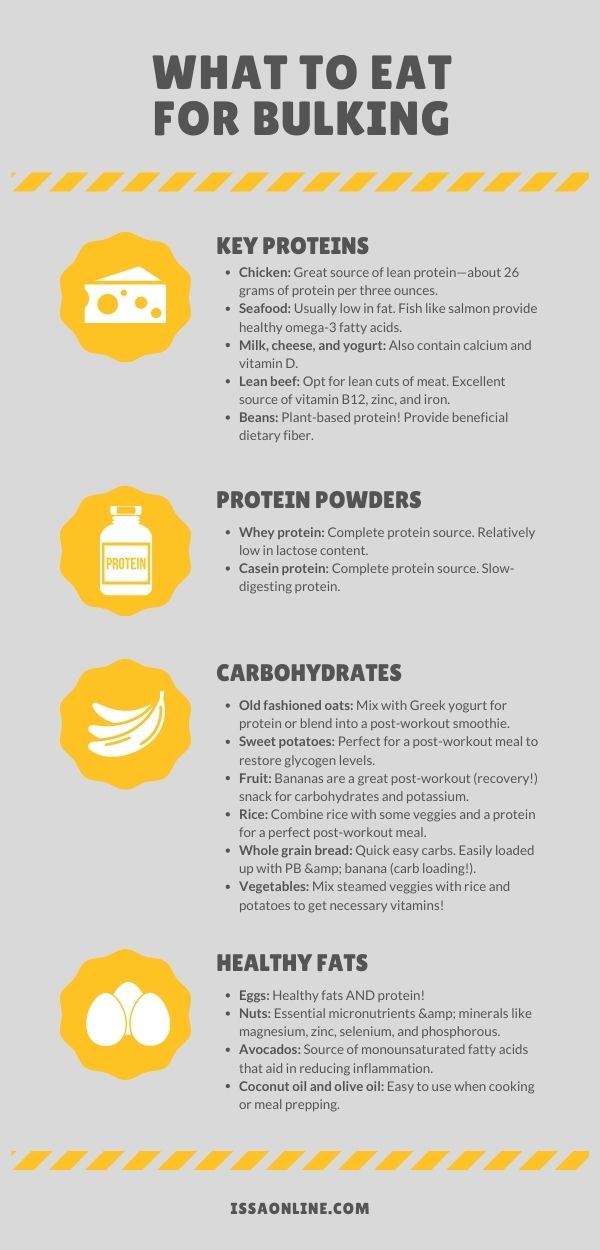
If you're on a bulking diet, maximizing your calorie intake is crucial for muscle gain. Incorporating high-calorie foods into your meals can help you reach your caloric goals efficiently. Here are the Top 10 High-Calorie Foods to include:
- Avocados: Packed with healthy fats and loaded with vitamins, avocados boast about 240 calories each.
- Nut Butters: Whether it's peanut, almond, or cashew, nut butters provide around 100-200 calories per tablespoon.
- Olive Oil: Just one tablespoon of olive oil adds approximately 120 calories, making it a great addition to salads and cooked dishes.
- Coconut Oil: Another oil high in calories, coconut oil offers about 120 calories per tablespoon and can enhance many recipes.
- Cheese: A source of both protein and fat, cheese packs around 100 calories per ounce, perfect for adding to meals.
- Whole Milk: With about 150 calories in a cup, whole milk is a nutritious way to boost calorie intake.
- Fatty Meats: Choosing cuts like ribeye steak adds significant calories, around 300-400 per serving, along with protein.
- Eggs: With about 70 calories each, eggs are versatile and nutrient-dense, perfect for breakfast or in recipes.
- Bananas: At approximately 100 calories each, bananas are a great source of carbohydrates and potassium.
- Dark Chocolate: A delicious treat, dark chocolate contains around 170 calories per ounce and offers health benefits when consumed in moderation.
Including these high-calorie foods in your bulking diet will not only help you reach your caloric surplus but also provide important nutrients for recovery and muscle building. Remember, while it's essential to maximize calorie intake, focusing on nutrient-dense foods will yield better results in the long run. For more detailed guidance on bulking diets, check out this comprehensive guide. Embrace a balanced approach as you include these high-calorie foods into your regimen!
Meal Prep Tips for Effortless Bulking: Eat Big Without the Hassle
When it comes to meal prep tips for effortless bulking, planning is key. Start by dedicating a specific day each week to prepare your meals in advance, making it easier to stick to your dietary goals. Begin with a protein-rich base for each meal, such as chicken, beef, or tofu. Supplement it with complex carbohydrates like brown rice, quinoa, or sweet potatoes to fuel your workouts and recovery. For more ideas on healthy bulking foods, check out Healthline. Organizing your meals in portion-controlled containers will also save time and help manage your intake, ensuring that you eat big without the hassle.
Incorporate snacks strategically into your bulking plan. Think about high-calorie options like nuts, nut butter, or granola bars to keep up your energy throughout the day. Keep these snacks easily accessible to avoid reaching for unhealthy options when you're in a pinch. Also, consider batch cooking your meals; prepare large quantities of staples and then mix and match them through the week. This not only adds variety but also eases the stress of cooking daily. For further insights on meal prepping effectively, visit Eat Well 101. By following these tips, you can efficiently meet your caloric goals while enjoying delicious, nutritious meals!
How to Balance Macronutrients for Optimal Bulking Success
Achieving optimal bulking success requires a strategic approach to macronutrient balance, which consists of carbohydrates, proteins, and fats. Each of these macronutrients plays a crucial role in muscle growth and overall performance. For those looking to bulk, a common recommendation is to prioritize proteins at about 25-30% of your total calorie intake, as this macronutrient is fundamental for muscle repair and growth. Furthermore, carbohydrates should make up the majority of your diet, around 50-60%, as they provide the energy necessary for intensive weight training and recovery. Finally, healthy fats, comprising about 20-30% of your intake, support hormone production and overall health.
When setting up your bulking diet, it's essential to consider your starting point and bodily needs. Use tools like NutritionData to analyze your current macronutrient ratios and adjust them based on your activity level and goals. For instance, if you're heavily involved in strength training, you might increase your carbohydrate intake slightly to fuel those intense sessions. Remember to monitor your progress regularly and make adjustments to your macronutrient distribution based on your results. A well-rounded approach not only promotes muscle gain but also supports your overall health during the bulking phase.